- This event has passed.
Sprinkler system contains hot cooking fire in London residential tall building
1 November 2025 @ 8:00 am - 30 November 2025 @ 5:00 pm
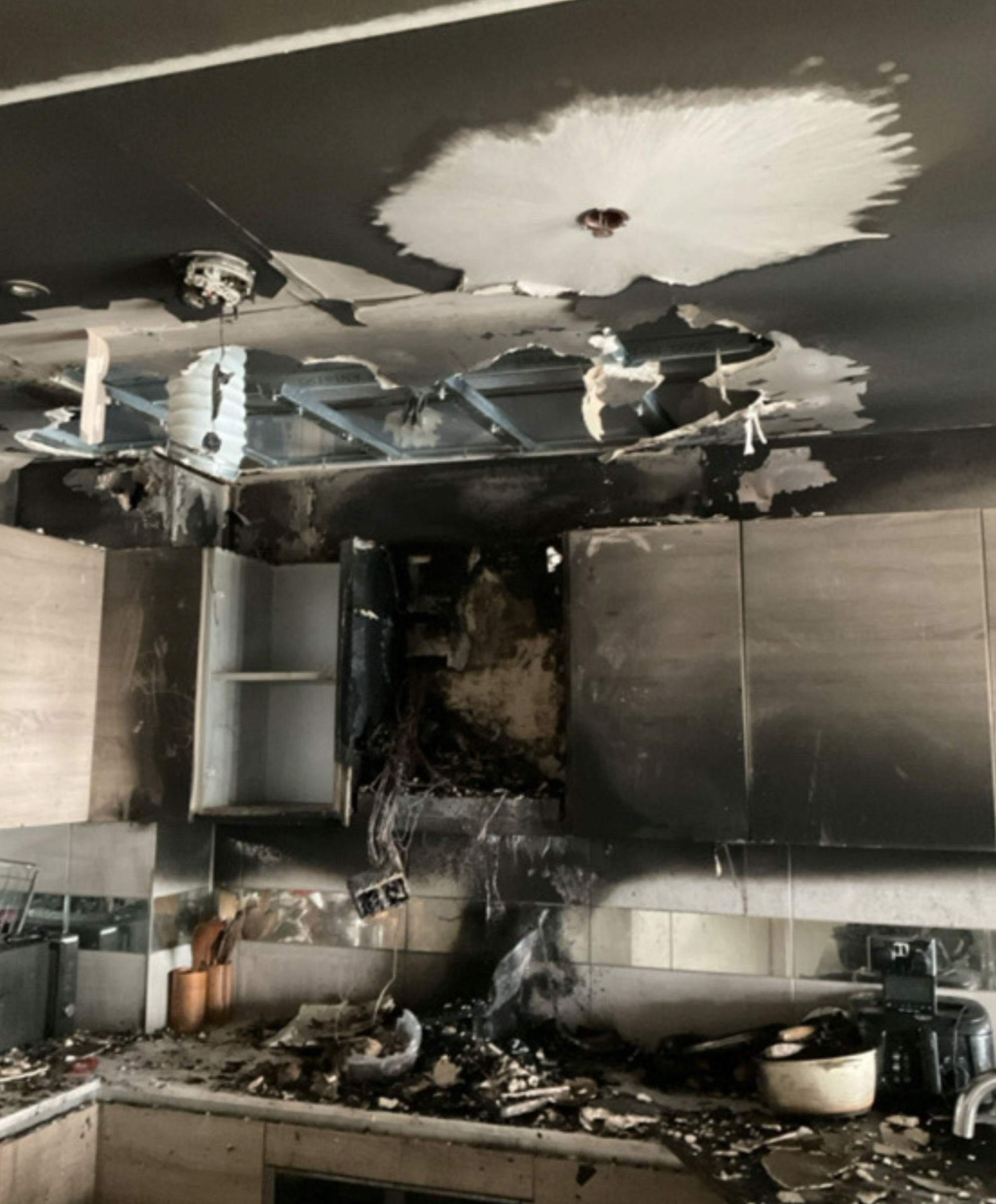
Image credit tptfire
Background
The benefits of installing Automatic Fire Suppression Systems (AFSS) were demonstrated following a fire in a London high-rise residential block of flats. The building sprinkler system activated, thereby containing, controlling the kitchen fire involving hot cooking oil. There were no reports of any injuries.
Demonstrating the effectiveness of sprinklers in controlling fires at an early stage, significantly reducing the risk to life, limiting fire spread and minimising property damage, preventing the fire from spreading further preventing flash over allowing a positive outcome.
A sprinkler activation is categorised as an event where one or more sprinkler heads have activated and contained, controlled, or, in some cases, extinguished a building fire. This incident provides further evidence of the effectiveness, benefits of sprinklers as part of a comprehensive fire safety strategy.
Providing further weight to the reliability and effectiveness of sprinkler systems following the report conducted by 1Optimal Economics and commissioned by the National Fire Chiefs Council (NFCC), National Fire Sprinkler Network into the performance, reliability, and effectiveness of sprinkler systems in controlling and extinguishing fires.
The Incident
A fire that started in the kitchen of an open plan kitchen/lounge flat on the third floor of a 17-storey block of flats was effectively contained, controlled by the activation of two sprinkler heads. One person left the building before the arrival of the London Fire Brigade. The fire is believed to have been accidental and caused by cooking oil igniting in a pan.
The activated concealed sprinkler head nearest to the fire is visible in the image, the rise in temperature at ceiling level allowed the cover plate to disengage releasing the deflector plate from its housing, the continued heating of the exposed sprinkler caused the heat sensitive liquid in the glass bulb to expand causing the glass to shatter releasing the plug. Allowing the water to be released to strike the deflector, forming a uniform spray pattern over the fire, two heads activated.
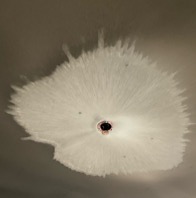
Image credit tptfire
The cooking extractor fan directly above the seat of the fire was 100% damaged by fire, with smoke staining visible at ceiling level, wall units. A distinctive circular water spray pattern is visible in proximity of the sprinkler head preventing the smoke jets staining the ceiling. Following the confirmation the fire was all out, the sprinkler system was isolated by LFB for the individual flat.
Specification of the sprinkler system
- Installed to comply with BS 9251, Fire Sprinkler Systems for Domestic and Residential Occupancies – Code of Practice.
- Water supply shared cold-water booster main.
Conclusion
This incident provides further supporting evidence of the benefits of sprinklers to under pin the British Automatic Fire Sprinkler Association’s (BAFSA) advocacy, turning operational evidence into persuasive tools for policy and parliamentary engagement. We welcomed the government’s November 2020 decision to lower the height threshold for mandatory sprinklers in purpose group 1a (residential blocks of flats) from 30 metres to 11 metres. Nevertheless, concerns persist regarding the lack of requirements to retrofit existing residential buildings with sprinklers.
In alignment with the 2NFCC sprinkler position statement, The BAFSA advocate for government action to mandate the retrofitting of sprinklers in high-rise residential buildings. Retrofitting should apply to all existing residential buildings over 18 metres in height, or those with at least seven storeys served by a single staircase, as well as all existing residential buildings exceeding 11 metres, based on risk assessments.
The outcome of this fire could have been so different if the building had not been fitted with a sprinkler system.
Sources/further reading
- Sprinkler saves review 2024/2025
- Sprinkler Saves winter review
- NFSN Newsletter
- 1Efficiency and Effectiveness of sprinkler systems in the United Kingdom:An Analysis from Fire Service Data
- 2NFCC AWSS Policy Statement
If you want to make a difference working in the fire sector, we need your assistance. To make sprinklers the norm and not the exception – we need the evidence. Encouraging FRS and those in the sprinkler community to promote, collate, report sprinkler activations to Sprinkler Saves UK which will help to create a central and comprehensive record of fire incidents where sprinklers played their role in containing/controlling or extinguishing the fire.
If you hear of a save report it using this link.